
Doing It Right Matters
Continuing Education for Colorado Insurance Agents
Core Roofing Systems is approved by the Colorado Division of Insurance to teach Continuing Education courses for insurance agents. We’ll come to your office, teach via Zoom, or host you at our Denver office for scheduled classes. Every course is free of charge—we provide lunch for you and your staff, register your class completion with the state, and provide a certificate of completion.



Certified Installer




Three Ways to Engage
Sign Up, Download, or Host a Class
Pick the path that fits your team. Every option is free and supported by our CE team.
Sign Up for a Course
See our public class schedule and reserve a seat. We hold classes at our Denver office and via Zoom throughout the year.
Sign UpHost a Class at Your Office
We’ll bring the class to you and your team—and we’ll bring lunch. Email Ashley to get on the calendar.
Host a ClassAvailable Courses
Our Continuing Education Course Catalog
All courses are approved by the Colorado Division of Insurance. Sign Up for a course or contact us for more information.
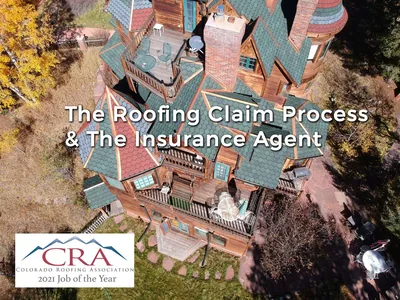
The Roof Claim Process & The Agent
A client’s trust in his/her insurance company is a value that cannot be measured, but is paramount in that policy holder’s view of the company. Insurance companies thrive on building relationships with clients and earning referrals and renewals of policies from the trust gained from those relationships. The more knowledge of a policy holder’s claim the insurance professional has, the more trust the client has that his/her policy is in the right hands. This program will give the insurance professional information as to what his/her policyholder can expect to happen throughout a roof claim process. The focus of this program is not to explain the finer details of roofing, rather to arm the insurance professional with the knowledge needed to better help his/her clients in their time of need.

The Water Loss & Insurance
A client’s trust in his/her insurance company is a value that cannot be measured, but is paramount in that policy holder’s view of the company. Insurance companies thrive on building relationships with clients and earning referrals and renewals of policies from the trust gained from those relationships. The more knowledge of a policy holder’s claim the insurance professional has, the more trust the client has that his/her policy is in the right hands. This program will give the insurance professional information as to what his/her policy holder can expect to happen throughout a water damage claim process. The focus of this program is not to explain the finer details of a water loss, rather to arm the insurance professional with the knowledge needed to better help his/her clients in their time of need.
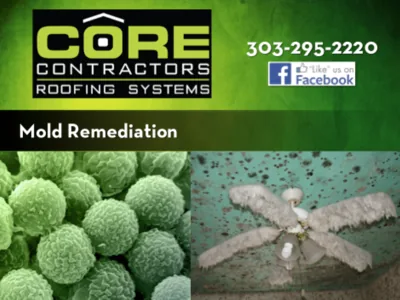
Mold: A Growing Concern for the Insurance Professional
There are a number of misconceptions within the insurance industry about mold, its effects, and how it pertains to standard homeowners’ insurance policies. This, in turn, has resulted in numerous lawsuits being filed by homeowners against their insurance carriers over the years and an untold number of homeowners being dissatisfied with their insurance carriers. This program has been developed to provide the insurance professional with a general understanding of mold, its effects on a home, and general guidelines as to whether or not a homeowner’s mold claim would typically be a covered peril under their insurance policy. This understanding will better equip the insurance professional to handle mold claims in the future and provide the customer service needed to better retain his/her client after the loss has been resolved whether the loss is a covered peril or not.

Homeowners Policy
During this course, we will: Define common terms found in the HO5 Insurance Policy; Explain the 4 types of property coverages detailed in the HO5 Insurance Policy; Explain the various “Additional Coverages” detailed in the HO5 Insurance Policy.

Workplace Ethics
Ethical issues continue to dominate the news media whether those involved are political figures, government employers or employees, private businesses large or small and their workers, and insurance companies and their agents. Unethical behaviors range from dishonesty in product representation and lack of integrity in public dealings to actual abuse of employees through harassment and intimidation. This class will help insurance agents consider first, if ethical principles are important for their companies and executives, and if so, what those generally accepted principles are. It will also focus on employee culture and what types of behavior can seriously undermine the success of their companies. The class will have a discussion leader and use several videos, charts, pictures, and editorial cartoons to make points and clearly demonstrate the importance of ethical behavior in all business dealings.

Ethics in the Insurance World
During the course of this class, we attempt to define ethics as it relates to the insurance industry. This course has been designed to reinforce the insurance professional’s ethical competence, contribute to the insurance professional’s understanding of the complexities of ethical decision-making in the insurance industry, and will provide tools to help an insurance professional identify, prevent, and constructively resolve ethical dilemmas. This course reviews several ethical case studies relevant to the insurance professional.
Ethics – Silent Saboteurs
Ethical issues continue to dominate the news media, particularly when those involved are political figures, government employers or employees, and large private businesses. The result of these unethical behaviors are usually huge wastes of resources and/or squandering and loss of large amounts of monies. While the focus of most ethical inquiries today are aimed at what can be termed as “spectacular scandals” an increasing number of studies have been made focusing on unethical behaviors that are occurring among employees in the office setting. These studies have demonstrated that 90% of business losses attributable to poor ethical behavior come NOT from those “spectacular scandals” but from what they describe as the “silent saboteurs” — subtle, subversive games people play that damage work relationships, productivity, job satisfaction, and trust in colleagues. These can infect any office including those of insurance agents and their clients, so an understanding of what they are and how to recognize them is critical to having a successful agency. This class will have a discussion leader and use several videos, charts, pictures, and editorial cartoons to make points and clearly demonstrate the negative effect the “silent saboteurs” can create in an office setting.
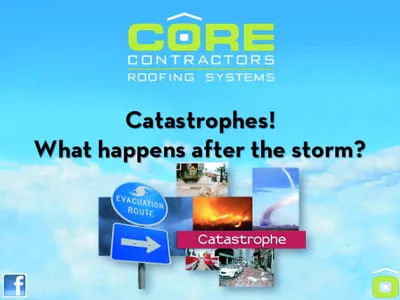
Catastrophes! What Happens After the Storm?
Disasters don’t use daily planners. Therefore, it is important to be fully prepared for any circumstance that may arise. Floods cause significant and largely unpredictable property and business interruption losses each year. National direct property loss due to fires, meanwhile, estimates in the multi-billion-dollar range annually, while wind damage accounts for over 20% of all insurance claims. This course will discuss the emergency procedures necessary when these losses occur, better equipping the insurance professional to handle these catastrophic loss claims in the future and better prepare their clients for such a loss.
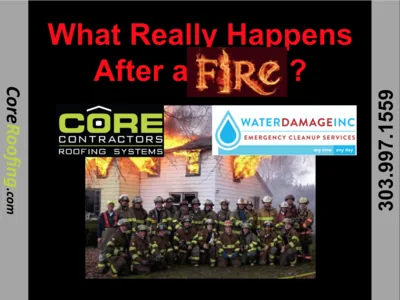
Helping Your Insured After a Fire
Whether large or small, when homeowners suffer any fire loss in their homes, it can be a devastating time in their lives. Having an insurance agent on the other end of the phone in their time of need that is knowledgeable and understanding of what they’re about to go through can be the difference between happy customers that renew policies and refer friends/family and dissatisfied customers that look elsewhere when it’s time to renew their policies. During the course of this class, we will give insurance professionals an up-close view and break-down of the steps necessary to restore a home after a fire loss. This course has been designed to reinforce the insurance professional’s knowledge of their policy owner’s struggles when dealing with a fire in his or her home and will provide tools to help insurance professionals instill confidence when the policy owner calls after a fire, helping lead to satisfied customers that will both renew policies and refer friends and family to that insurance agent.
Bioremediation and The Insurance Agent
This program has been developed to provide an overview for the insurance professional concerning how biohazard remediation should be addressed. Although biohazard remediation has been done since the beginning of time, rarely has it been done properly by a professional and, instead, often is done by a non-trained individual or company. The industry is also seeing an increase in claims that should require a trained professional to provide the remediation. This program will provide the insurance professional the steps that a remediation company should perform to return the area to pre-loss condition. Bio remediation includes suicide, homicide, unattended death scenes, sewage, meth labs, and rodent droppings. Most of these cases are covered perils under standard homeowner insurance policies and should, for homeowner safety reasons, be remediated properly.
Have Questions?
Common Questions About Our CE Program
Our Service Areas
Denver Metro Roofing Service Area
We serve homeowners, property managers, and commercial clients across the entire Denver Metro region. Below are the communities where we work every week:
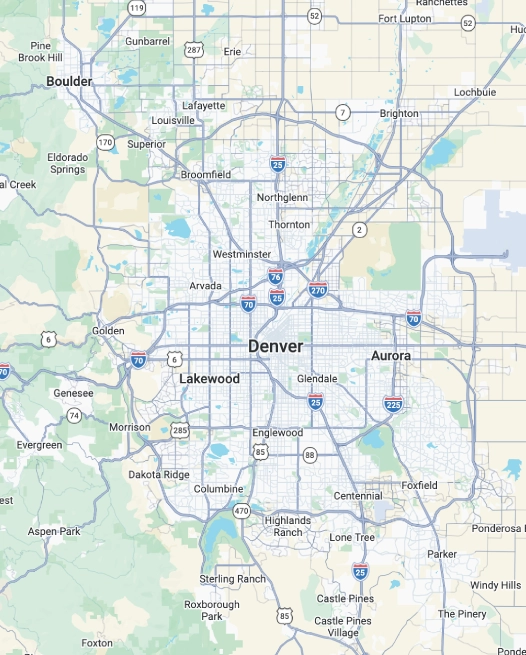
Serving Central Denver
Not sure if you’re in our service area? Call 303-295-2220 — and find out how we can help you.
Ready to Get Started?
Schedule a CE Class for Your Agency
Whether you’re looking to knock out CE credits before your renewal deadline or want to host a learning session for your entire office, we’ll make it easy. Free classes, lunch on us, state registration handled—all you do is show up. When a client's roof is hit, point them to our roof insurance claim help team or to the Colorado roof insurance claim guide we wrote from the same course material.
“Doing It Right Matters.”