
Low-Slope Roofing Installation
Low-Slope Roofing Installation in Denver
Expert commercial roofing for modern buildings
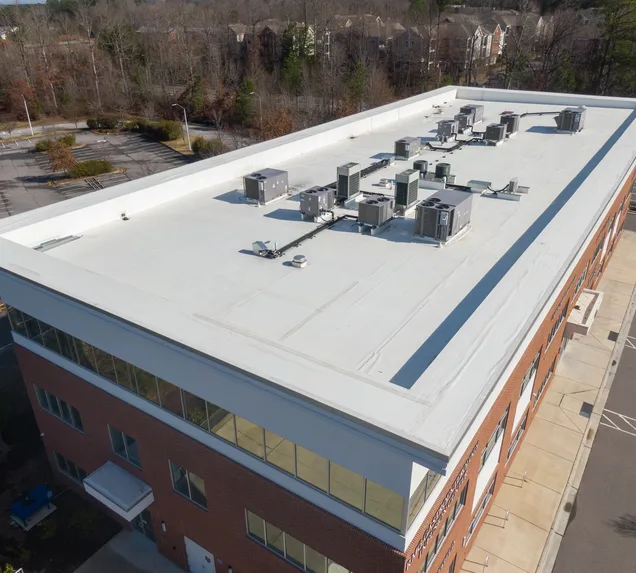
Low-slope roofs demand specialized expertise, premium materials, and precise installation. At Core Roofing Systems, we’ve installed hundreds of commercial low-slope systems across Denver and the surrounding region. Our technicians understand the unique drainage challenges, material compatibility, and long-term durability concerns that define commercial flat-roof success. Whether you’re replacing an aging system or installing a new membrane, our Owens Corning, MuleHide, GenFlex, and IB Roof Systems certifications ensure your building stays protected.



Certified Installer




Why Choose Core
Why Choose Core Roofing for Low-Slope Installation
MuleHide, GenFlex & IB Roof Systems Certified
We’re a certified installer for MuleHide, GenFlex, and IB Roof Systems, qualifying us to install TPO, PVC, and EPDM systems with full manufacturer backing and access to premium materials that non-authorized contractors cannot source.
25+ Years of Commercial Roofing Experience
Our team has completed low-slope installations on office parks, retail centers, industrial facilities, and multifamily complexes. That depth of real-world experience means we spot potential issues during pre-installation assessment and design systems that perform in Denver’s weather.
Denver Business Journal Recognition & CIVIC50 Distinction
We’ve been honored as a Small Business of the Year and recognized for community involvement. That reputation reflects our commitment to quality on every project, including low-slope installations where durability directly affects your building’s bottom line.
Comprehensive Drainage Design & Slope Verification
Low-slope systems require careful attention to water flow. We conduct detailed site assessments, confirm existing slope (or design new slope with tapered insulation), and position drains strategically so water never pools. Our inspection process includes thermal imaging to identify potential wet insulation before it becomes a problem.
Full Warranty Documentation & Long-Term Support
Every installation comes with a 5-year Core Roofing workmanship guarantee, plus the full manufacturer warranty on materials. We maintain detailed documentation and are here to support your facility long after installation.
Transparent Process from Assessment to Completion
We start with a thorough site assessment to understand your building’s needs, provide a clear written estimate, and keep you informed throughout the installation. No surprises, no hidden costs — just honest, professional service.
Get Started
Schedule Your Low-Slope Installation Assessment
Ready to explore low-slope roofing options for your building? Our commercial specialists walk through material choices, slope design, drainage strategy, and timeline. No pressure—just straightforward guidance.
Request a Site Assessment • Learn About Commercial Repair • Explore TPO, PVC & EPDM Options
Contact Us
Our Process
Our Low-Slope Installation Process
Pre-Installation Site Assessment & Design Consultation
We begin with a detailed walkthrough of your building. Our team measures existing roof dimensions, evaluates current conditions (whether you’re stripping an old system or building on a new structure), confirms slope or designs tapered insulation to achieve proper drainage, and identifies drain locations and guttering requirements. We photograph everything and create a scope document that outlines material choices, cost, timeline, and any structural or drainage concerns we’ve identified.
Material Selection & Logistics Planning
Once you’ve approved the scope, we finalize material specifications—whether TPO, PVC, or EPDM—and coordinate delivery. Low-slope systems ship in large rolls, and we schedule delivery to align with your construction window. Our crew preps the staging area, establishes safety protocols (including fall protection, equipment placement, and traffic management), and confirms utility locations.
Surface Preparation & Insulation Installation
All existing roof material, debris, and failed insulation is removed and disposed of responsibly. We inspect the underlying roof deck (concrete, steel, wood) for damage and repair as needed. If the roof requires new slope, we install tapered rigid insulation boards to direct water toward drains. All fasteners, tape, and adhesives are applied per manufacturer specs—this layer is where water management begins.
Membrane Installation & Seam Sealing
Our certified installers unroll the membrane (TPO, PVC, or EPDM) across the prepared surface, securing it at edges and around all penetrations. Seams are sealed using the membrane manufacturer’s approved method—heat-welding for TPO/PVC, adhesive or tape for EPDM—and tested for watertightness. This is where the system’s longevity is determined; poor seam quality is the #1 cause of low-slope failures.
Final Inspection, Testing & Walkthrough
Before we hand off the project, we conduct a final walkthrough with you. We test the drainage system (simulating heavy rain), verify all seams and flashings, and provide you with a complete photographic record, warranty documentation, maintenance guidelines, and our contact information for future questions or maintenance needs.
Have Questions?
Frequently Asked Questions About Low-Slope Installation

Flexible Financing
Flexible Financing for Your Denver Roof Project
A new roof shouldn’t be the reason a family raids their emergency fund. We offer flexible financing options for qualified homeowners so you can move forward on the work your home needs without waiting for the perfect moment. We’ll walk through options during your estimate so you know exactly what the monthly cost looks like before you commit.
Flexible Options
Covering full replacements or repair projects.
Quick Approval
Simple application with fast decisions.
No Penalties
No prepayment penalties, ever.
Competitive Rates
Low rates for qualified homeowners.
No Hidden Fees
Clear, written terms before any work begins.
We Handle It
Paperwork handled in person with your estimator.
Our Service Areas
Denver Metro Roofing Service Area
We serve homeowners, property managers, and commercial clients across the entire Denver Metro region. Below are the communities where we work every week:
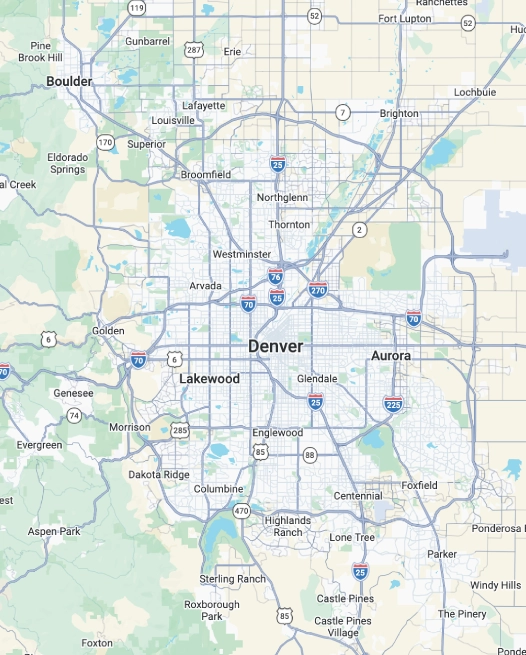
Serving Central Denver
Not sure if you’re in our service area? Call 303-295-2220 — and find out how we can help you.
Local Expertise
Low-Slope Roofing Installation Across the Denver Metro
We’re fully equipped to install low-slope systems across the entire Denver metropolitan region. Our 25+ years of local expertise and established relationships with building managers, property owners, and commercial contractors throughout the area mean fast service scheduling and deep familiarity with regional weather patterns and building codes.
Aurora, CO
High-growth business corridor with retail centers and light industrial facilities requiring reliable, efficient roofing.
Englewood, CO
Established commercial district with older buildings transitioning to low-slope replacements for improved performance.
Lakewood, CO
Office parks and business complexes where energy-efficient roofing directly reduces operating costs.
Parker, CO
Rapidly expanding commercial market with new construction and renovation projects.
Centennial, CO
Mixed commercial and industrial properties where our TPO and PVC expertise is in high demand.
Castle Pines, CO
Corporate parks and office facilities with complex roof designs.
Lone Tree, CO
Newer commercial development with modern building standards.
Highlands Ranch, CO
Business districts serving the growing residential market in the south metro.
Brighton, CO
Regional commercial hub with industrial and retail properties.
Evergreen, CO
Mountain commercial properties with unique weather exposure and drainage challenges.
Arvada, CO
North metro industrial and commercial corridor.
Westminster, CO
Mixed commercial uses from retail to light manufacturing.
Broomfield, CO
Strong commercial and industrial base with ongoing development.
Boulder, CO
High-profile commercial properties where quality and reputation matter.
Greenwood Village, CO
Upscale commercial district with sophisticated building operations.
Doing It Right Matters
Ready to Protect Your Building With Expert Low-Slope Installation?
A low-slope roof is a 15–20 year investment in your building’s structural integrity and operational efficiency. The right material, proper installation, and thorough documentation make all the difference. We’ve completed hundreds of commercial installations across Denver and the region. Our MuleHide, GenFlex, and IB Roof Systems certifications, Owens Corning partnership, and 25+ years in commercial roofing mean your project gets the expertise and attention it deserves.
Every low-slope installation is unique. Your building’s size, existing conditions, local climate exposure, and budget priorities all influence material selection and process design. That’s why we spend time on the front end—our pre-installation assessment isn’t a quick walk-through, it’s a detailed engineering review that catches potential issues before they become expensive problems. Financing is available to help spread the cost of replacement projects, and maintenance planning is included with every installation.
“Doing It Right Matters.”